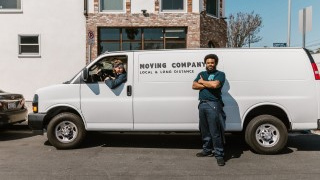
Many people assume that professional movers can transport absolutely anything, but that's far from true. In fact, one of the most common surprises on moving day is discovering that several everyday items are actually restricted. Understanding what not to pack when moving is essential for keeping your belongings safe, avoiding delays, and preventing unexpected costs. These restrictions aren't random; they exist because movers must follow strict safety standards, federal and state regulations, insurance requirements, and environmental protection rules. Whether you're planning a local or long-distance relocation with MoveShire, this article will help you stay compliant.
This guide breaks down everything you need to know before you start loading boxes. You'll learn why moving companies limit certain items, what specific belongings movers won't move, and how to handle those restricted items responsibly. Whether you're planning a local or long-distance relocation, this article will help you stay compliant, stay safe, and stay prepared. By the end, you'll know exactly what not to pack when moving and how to make smart decisions that protect both your possessions and your peace of mind.
Why Do Moving Companies Have Item Restrictions?
While it may seem inconvenient at first, item restrictions are a critical part of how moving companies keep your relocation safe, compliant, and efficient. These rules aren’t arbitrary; they’re shaped by transportation laws, safety protocols, insurance requirements, and environmental guidelines that protect both you and the moving crew. Understanding the reasoning behind these restrictions helps you plan ahead and avoid last-minute surprises on moving day. These laws dictate what can and cannot be transported in commercial moving vehicles during your residential move.
Federal and State Transportation Laws
Moving companies must follow strict regulations established by federal and state agencies, including the U.S. Department of Transportation (DOT) and the Federal Motor Carrier Safety Administration (FMCSA). These laws dictate what can and cannot be transported in commercial moving vehicles. Items that are flammable, explosive, or hazardous are restricted because they pose elevated risks during loading, transit, and unloading. Additionally, certain states enforce their own rules related to agricultural products, alcohol, plants, and firearms. Movers must comply with every state they enter during your relocation, making adherence to these laws non-negotiable.
Safety Concerns for Movers and Customers
Safety is one of the biggest reasons moving companies limit what they can transport. Hazardous materials can leak, ignite, react with other substances, or release fumes inside the moving truck. Even common household items like bleach or aerosol cans can become dangerous under pressure or heat. To prevent injuries, fires, or chemical exposure, companies prohibit items that compromise the well-being of movers, customers, and nearby property.
Insurance and Liability Issues
Insurance policies for moving companies typically exclude high-risk, perishable, or irreplaceable items. If movers were to handle restricted items and something went wrong, your belongings might not be covered. This includes damage from spills, contamination, explosions, or theft involving valuable personal documents or jewelry. By clearly stating what they won’t move, companies reduce liability exposure and ensure that your covered items remain protected throughout the move.
Environmental Protection Regulations
Environmental laws also play a key role in determining what movers can transport. Items such as paint, chemicals, fuel, and automotive fluids require special disposal or handling to prevent soil and water contamination. If spilled inside a truck, some substances can cause long-term environmental damage or require expensive cleanup. Following these regulations ensures a safer, more eco-friendly move and helps you dispose of restricted items responsibly.

Complete List of Items Movers Won't Move
1. Hazardous Materials and Flammable Items
Hazardous materials are among the most strictly prohibited items in the moving industry. These substances can ignite, leak, or release toxic fumes, posing serious risks inside a moving truck.
- cleaning supplies such as bleach, ammonia, and drain cleaners;
- paint, varnish, and paint thinner;
- propane tanks and any type of fuel;
- aerosol cans under pressure;
- car batteries and corrosive materials.
Why they're restricted: Federal safety regulations classify these items as dangerous goods. In a closed truck environment, temperature changes, vibrations, or improper packing can trigger fires, chemical reactions, or explosions.
2. Explosives and Combustible Materials
Explosive materials are exceptionally dangerous during transport because even minor friction or heat can trigger combustion. Movers are legally prohibited from handling them.
- fireworks and firecrackers;
- ammunition and gunpowder;
- matches and lighter fluid.
What to do instead: Dispose of these items through local hazardous waste facilities or fire department collection programs. Some communities host safe disposal events specifically for flammable or explosive materials.
3. Firearms and Weapons
Although firearms themselves are not inherently dangerous to transport, moving companies avoid them due to strict legal regulations and liability concerns.
- guns and rifles;
- ammunition.
Legal considerations: Firearm transportation laws vary from state to state, and movers are not certified to comply with the shifting requirements.
How to transport: Always move firearms and ammunition in your personal vehicle. Ensure they are unloaded, locked in appropriate cases, and transported according to state guidelines along your route.
4. Perishable Food Items
Perishable foods spoil quickly and can attract pests during transit. Movers generally refuse anything that can leak or rot inside the truck.
- fresh, frozen, and refrigerated foods;
- open food containers.
Exceptions: Non-perishable, sealed items like canned goods or packaged snacks may be allowed depending on the moving company.
Tips: Consume perishable items before moving day or donate unopened food to a local food bank or neighbor.
5. Living Things
No legitimate moving company will transport live animals or plants. These require specific care and conditions that a moving truck cannot provide.
- pets and animals;
- houseplants, especially for long-distance moves.
Plant restrictions: Many states enforce agricultural regulations to prevent pests and diseases from spreading. This makes transporting plants across borders restricted or controlled.
Safe alternatives: Move pets in your personal vehicle or use reputable pet transport services. For plants, consider carrying them with you or gifting them before the move.
6. Personal and Valuable Documents
Sensitive documents and valuables are not prohibited because they are dangerous but because they are irreplaceable. Movers cannot take responsibility for these high-value items.
- medical records and prescriptions;
- financial documents and tax records;
- birth certificates, passports, and insurance policies;
- jewelry and family heirlooms;
- cash and credit cards.
Recommendation: Keep these essentials with you during the move in a secure folder, bag, or lockbox.
7. Scuba Gear and Pressurized Tanks
Any item containing pressurized air or gas can become hazardous in a moving truck due to temperature fluctuations and vibration.
- scuba tanks;
- fire extinguishers;
- oxygen tanks.
Safety concern: Pressurized tanks may explode if compromised or overheated.
Solution: Depressurize scuba tanks before moving or transport all pressurized items personally.
8. Alcohol and Liquor
Alcohol restrictions vary, but most movers avoid transporting large quantities due to legal regulations, leakage risks, and breakage concerns.
- wine, beer, and spirits.
State law variations: Some companies may agree to move sealed bottles for short-distance relocations, but this depends on state alcohol laws.
Best practice: Check with Moveshire to confirm whether your specific items can be transported safely and legally.
9. Nail Polish and Nail Polish Remover
These cosmetic items often contain flammable chemicals such as acetone, making them unsafe for transport in bulk within a moving truck.
- acetone-based products;
- other cosmetics with flammable ingredients.
10. Chemistry Sets and Scientific Materials
Chemistry kits, lab supplies, and scientific specimens may include reactive or harmful chemicals that violate hazardous materials regulations.
- lab chemicals;
- educational chemistry kits;
- scientific specimens.
11. Outdoor Equipment with Fuel
Gas-powered outdoor tools must be emptied before transport. Fuel is considered highly flammable and cannot be moved by professionals.
- lawn mowers;
- chainsaws;
- weed trimmers.
Solution: Drain all fuel at least 24 hours before moving day.
12. Grill and Barbecue Supplies
While grills themselves are safe to move, the fuel sources associated with them are not.
- propane tanks;
- charcoal lighter fluid.
What's OK: The grill itself is usually fine to transport after it's cleaned and free of grease, ash, and debris.

Items Movers Can Move (But You Should Consider Taking Yourself)
While moving companies can legally and safely transport many everyday belongings, some items are better kept with you due to their value, fragility, or importance. These items aren't prohibited, but transporting them personally gives you greater peace of mind and ensures they remain accessible throughout your move. Using professional packing services can help ensure your electronics and valuables are properly secured for transport.
|
Item Category |
Specific Examples |
Why Take It Yourself |
Best Practice |
|
High-Value Electronics |
Laptops, tablets, smartphones, cameras, gaming consoles, external hard drives |
Risk of damage or theft; contains personal data and irreplaceable files |
Pack in padded laptop bag or original boxes; keep in car or carry-on |
|
Art & Collectibles |
Paintings, sculptures, rare coins, stamps, vintage items, antiques |
Irreplaceable value; difficult to insure for full worth; fragile |
Wrap carefully and transport in climate-controlled vehicle |
|
Sentimental Items |
Family photos, heirlooms, wedding albums, children's artwork, memorial items |
Emotional value cannot be replaced; priceless to you |
Pack in secure container; keep within sight during move |
|
Prescription Medications |
Daily medications, emergency inhalers, insulin, EpiPens, controlled substances |
Need immediate access; temperature-sensitive; legally must remain with owner |
Store in labeled, insulated bag; keep in personal vehicle |
|
Medical Equipment |
CPAP machines, nebulizers, hearing aids, mobility aids (small) |
Essential for health; needed daily; expensive to replace |
Pack in dedicated medical bag; transport in car |
|
Keys & Access Items |
House keys, car keys, garage remotes, mailbox keys, security codes |
Risk of lockout at new home; immediate access required |
Keep in purse, wallet, or designated keychain |
|
Important Documents |
Wills, deeds, titles, contracts, social security cards, diplomas |
Legally required; difficult to replace; identity theft risk |
Store in fireproof folder or lockbox in personal vehicle |
|
Financial Items |
Checkbooks, credit cards, cash, stock certificates, savings bonds |
Theft risk; immediate need for transactions |
Keep in secure bag or wallet on your person |
|
Jewelry & Watches |
Wedding rings, engagement rings, luxury watches, inherited jewelry |
High monetary and sentimental value; small and easily lost |
Wear or store in small jewelry case you carry |
|
Small Valuables |
Coins, small safes with contents, precious metals, rare collectibles |
High value relative to size; difficult to prove value for insurance |
Pack in personal bag with documentation |
|
Work Essentials |
Work laptop, files needed immediately, business documents, tools |
Need for first day at new job; cannot afford loss |
Pack in briefcase or work bag; transport personally |
|
Baby & Pet Essentials |
Diapers, formula, favorite toys, pet food, leashes, pet medications |
Immediate need upon arrival; comfort items |
Pack in easily accessible bag for first 24 hours |
|
Phone Chargers & Electronics |
Phone chargers, laptop cords, power banks, WiFi routers |
Need immediately at new home; easy to lose in boxes |
Keep in tech accessories bag in car |
|
Change of Clothes |
Outfits for first 2-3 days, toiletries, towels, bedding |
Access before unpacking; comfort during transition |
Pack in overnight bag or suitcase |
What to Do with Items Movers Won't Move
Once you understand which belongings moving companies cannot transport, the next step is deciding how to handle those restricted items responsibly. Whether you need to dispose of hazardous materials, donate usable products, or transport valuables yourself, there are practical options that help you stay safe and compliant throughout your relocation.
Disposal Options
Many prohibited items cannot be thrown in the regular trash due to environmental and safety concerns. Instead, look for approved disposal solutions in your community.
- hazardous waste facilities that accept chemicals, paints, and flammable products;
- local recycling centers for batteries, electronics, and certain household containers;
- community disposal events that collect hard-to-dispose materials on designated dates.
Always follow local guidelines to ensure you’re disposing of restricted items legally and safely.
Donation and Gifting
If you have items that are safe but not eligible for transport, donating or gifting them is an excellent way to reduce waste and help others.
- give unopened food to neighbors or food banks;
- donate cleaning supplies to local shelters.
Many organizations gladly accept household products that are sealed and in good condition.
Sell Before You Move
Some items you can’t take with you may still hold value. Selling them before moving day can lighten your load and put a little extra cash in your pocket.
- alcohol collections that you can’t transport due to state restrictions;
- unopened household products such as paint, cleaners, or specialty chemicals.
Use local marketplaces or community groups to find interested buyers quickly.
Personal Transportation
For items that are valuable, fragile, or legally restricted, transporting them yourself is often the best option.
- pack valuable and restricted items in your car;
- plan separate trips if necessary.
Keeping these belongings with you ensures they remain safe, accessible, and compliant with all regulations during your move.
How Moveshire Handles Item Restrictions
At Moveshire, we understand that relocating involves more than simply loading boxes onto a truck. Many customers are unsure about item restrictions, and our goal is to make the process as clear and stress-free as possible. By offering upfront communication, expert guidance, and personalized support, we ensure your move stays safe, compliant, and well-organized from start to finish. Whether you're planning an apartment move or a house relocation, our team conducts a detailed pre-move consultation
Our Pre-Move Consultation Process
Before moving day, our team conducts a detailed pre-move consultation to review your inventory, identify any restricted items, and answer your questions. This proactive step helps us prevent delays, clarify expectations, and prepare the right equipment and resources for your relocation.
Transparent Communication About Restrictions
Moveshire provides clear guidelines on what we can and cannot move. We break down categories of restricted items, explain the reasons behind these rules, and offer written materials so you always have easy access to the information.
Guidance on Alternative Solutions
If you have items that movers aren't allowed to transport, we’ll walk you through the best alternatives. From recommending safe disposal sites to offering suggestions for personal transport, we help you handle restricted belongings responsibly and efficiently.
Contact Us With Questions About Specific Items
If you're unsure whether a particular item is allowed, we're here to help. Contact Moveshire any time for clarification so you can prepare confidently and avoid surprises on moving day.

State-Specific Moving Restrictions to Know
Moving across state lines often involves more than packing boxes and planning logistics. Each state has its own regulations that can affect what you’re allowed to bring with you. Understanding these rules ahead of time helps you avoid fines, delays, or confiscation of certain belongings. Below are some of the most common state-specific restrictions that may impact your move.
Agricultural Restrictions for Plants
Many states enforce agricultural laws designed to prevent the spread of pests, diseases, and invasive species. This means that houseplants, soil, and certain outdoor plants may be restricted or require inspection before crossing state borders. States like California, Arizona, and Florida have particularly strict rules regarding plant transport. Always check your destination state’s agricultural guidelines before deciding whether to bring your plants or leave them behind.
Alcohol Transportation Laws
Alcohol regulations vary widely from state to state. Some states limit the amount of alcohol you can bring across borders, while others require permits for transporting wine or spirits. For example, states with ABC (Alcoholic Beverage Control) regulations often enforce quantity limits or tax requirements. If you're moving a collection or multiple sealed bottles, confirm your state’s rules to avoid legal complications during transit.
Firearm Regulations
Firearms are subject to strict laws that differ across state lines. Requirements may include registration, permits, specific transport conditions, or prohibited weapon types. While moving companies won’t handle firearms, you must follow all local and federal guidelines if you transport them personally. This often includes unloading weapons, storing them in a locked case, and keeping ammunition separate. Always review the firearm laws for every state along your moving route.
Interactive Element: Link to State-by-State Guide
To make planning easier, refer to our comprehensive resource that breaks down regulations for all U.S. states. This guide covers plant rules, alcohol limits, firearm transport laws, and other important considerations.
Moving Day Checklist: What Not to Pack
As moving day approaches, having a clear checklist of prohibited items helps you avoid last-minute stress and ensures your movers can work efficiently and safely. Use the list below to double-check your home before the movers arrive and confirm that all restricted belongings have been removed, donated, or packed separately in your personal vehicle.
Printable Checklist of Prohibited Items
Before moving day, print or save this checklist so you can walk through each room and verify that all restricted items have been handled appropriately.
|
Category |
Items to Remove |
What to Do |
Where to Check |
|
Hazardous Materials |
Bleach, ammonia, drain cleaners, propane tanks, gas cans, paint, varnish, paint thinner, aerosol products, car batteries |
Dispose at hazardous waste facility or donate unopened items |
Under sinks, laundry room, garage, basement, utility closet |
|
Explosives & Combustibles |
Fireworks, firecrackers, ammunition, gunpowder, matches, lighter fluid, charcoal starter |
Take to hazardous waste center or use before moving |
Garage, shed, outdoor storage, camping gear area |
|
Firearms & Weapons |
Guns, rifles, ammunition, gun cleaning supplies |
Transport personally in locked container following state laws |
Gun safe, bedroom closet, basement storage |
|
Perishable Foods |
Fresh produce, frozen items, refrigerated foods, open containers, dairy products |
Consume, donate to neighbors, or discard |
Refrigerator, freezer, pantry (opened items) |
|
Living Things |
Pets (dogs, cats, birds, fish, reptiles), houseplants, potted flowers |
Arrange pet transport service or drive personally; check state plant restrictions |
All rooms, outdoor areas, aquariums, terrariums |
|
Valuable Documents |
Passports, birth certificates, medical records, financial documents, tax records, insurance policies, jewelry, cash, credit cards |
Pack in personal bag and keep with you |
Home office, filing cabinets, safe, bedroom drawers |
|
Pressurized Tanks |
Scuba tanks, oxygen tanks, helium tanks, fire extinguishers (some types), CO2 cartridges |
Depressurize and transport personally or dispose properly |
Garage, closets, dive gear storage, medical areas |
|
Alcohol Collections |
Wine, spirits, beer, liquor bottles (check state laws) |
Consume, gift to friends, or pack in personal vehicle if allowed |
Wine cellar, bar area, kitchen cabinets |
|
Flammable Cosmetics |
Nail polish, nail polish remover (acetone), hairspray (aerosol), perfumes with high alcohol content |
Use up, give away, or transport in personal vehicle |
Bathroom cabinets, vanity, bedroom dresser |
|
Chemistry Sets & Scientific Materials |
Lab chemicals, educational chemistry kits, scientific specimens, reactive substances |
Dispose at hazardous waste facility or contact school/institution |
Home office, children's rooms, basement lab area |
|
Fuel-Powered Equipment |
Lawn mowers, chainsaws, weed trimmers, leaf blowers, generators (with fuel) |
Drain all fuel and oil completely before moving |
Garage, shed, outdoor storage, basement |
|
Grill Accessories |
Propane tanks, charcoal lighter fluid, butane canisters |
Disconnect propane, dispose of fluid at hazmat facility |
Patio, deck, outdoor kitchen, garage |
Conclusion
Understanding what not to pack when moving is essential for ensuring a safe, efficient, and fully compliant relocation. By knowing which items movers won’t move and why these restrictions exist, you can avoid delays, protect your belongings, and stay within legal and safety guidelines. Whether you're dealing with hazardous materials, valuables, or state-specific regulations, making informed decisions keeps your move on track. If you’re ever unsure about a particular item, the Moveshire team is here to help. Reach out with any questions and we’ll guide you through the safest options. Ready to begin your move with confidence? Ready to begin your move with confidence? Whether it's an apartment, house, or long-distance move, contact us today.
FAQ
Can movers transport any cleaning supplies?
Movers can transport some mild, non-hazardous cleaning products, but anything flammable or corrosive is prohibited. Always check your moving company’s guidelines to ensure you know what not to pack when moving.
What should I do with leftover paint?
Leftover paint should be dropped off at a local hazardous waste facility or a community recycling event. Most moving companies cannot legally move paint due to flammability and disposal regulations.
Are there items movers won't move that vary by state?
Yes, state laws differ when it comes to agricultural items, alcohol limits, and firearm transport regulations. Always review your destination state's requirements before moving restricted belongings.
Can I pack alcohol for a local move?
Some movers may allow sealed bottles of alcohol for short-distance moves, but policies vary. Check with your moving company to confirm whether your alcohol collection can be transported legally and safely.
How do I transport my houseplants safely?
Houseplants should be moved in your personal vehicle to protect them from temperature changes and damage. Check state agricultural regulations if you're moving across state lines, as some plants may be restricted.
What happens if I accidentally pack prohibited items?
If restricted items are found during loading, movers may remove them from the shipment or delay the move until they are properly handled. Always review your checklist beforehand to avoid disruptions.